Within five years, more than 50,000 Quebec businesses will need to find successors, and 61% of current owners still don’t have succession plans. [1]
These statistics, provided by Repreneuriat Québec, are explained in part by the aging population and the lack of successors. But do these figures also reflect the realities of First Nations?
In Indigenous contexts, as elsewhere, acquiring an established business rather than starting a new one has many advantages, such as having an existing customer base and a pre-existing network of suppliers.
So, what differentiates business acquisition in First Nations communities? This entrepreneurial approach offers a concrete solution to the lack of succession in Quebec businesses, while also providing young Indigenous entrepreneurs with a wider pool of business opportunities. In addition to ensuring the sustainability of community services, it also constitutes a concrete step toward advancing economic reconciliation in urban areas.
Based on more than 130 business transfer projects that have been supported by the FNQLEDC over the past three years, the following are some of the realities and tangible impacts that result directly from Indigenous business transfers.
In the communities
At the heart of Quebec’s 41 First Nations communities, many Indigenous businesses ensure the continuity of essential services. In addition to meeting basic needs, they provide local jobs and actively contribute to the economic vitality of the territories.
When their owners reach the end of their respective journeys, the risk of closure threatens hard-won autonomy. For many, this means having to leave the community to work or obtain supplies, a reality that is an even greater challenge in remote areas.
In this context, a thoughtful and structured business transfer becomes essential to preserving the community fabric while maintaining essential services for the community. However, the pool of potential successors remains limited with the potential business acquisition often restricted to community members.
Within First Nations, the entrepreneurial spirit is deeply rooted but has historically been expressed more through the creation of new businesses. However, business succession offers a complementary path that provides faster access to entrepreneurship, particularly in well-established or sometimes saturated markets.
It was with this in mind that Louise Benjamin, from Uashat mak Mani-Utenam, seized the opportunity to acquire Casse-Croûte Ali-Baba, a well-known establishment in the community. By adding her personal touch, the business became Casse-Croûte Chez Louise, where community members can now gather while discovering new flavours added to the menu.

Preserving know-how and expertise within the communities is also very important. The acquisition of Garage Martin Picard in Wendake by Nicolas Meloche is a prime example of this. Having already worked there for many years, he now ensures the continuity of a renowned service while leveraging the experience accumulated over time in this garage, which is well-established in Wendake.
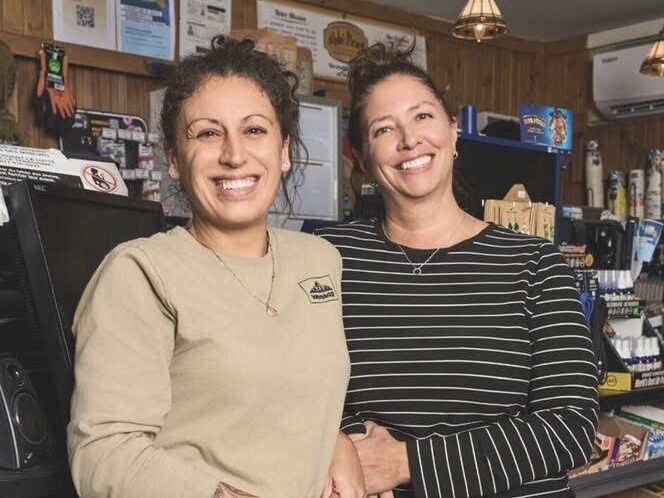
Among the challenges related to business acquisition in the community, financing remains the most complex. Access to capital is often hampered by constraints surrounding guarantees. To acquire the Alphé Picard convenience store, Sonia Picard and Pénéloppe Picard-Binet chose the innovative approach of partnering with the Wendake Band Council. This partnership allowed them to combine their field expertise with the stability of their local government.
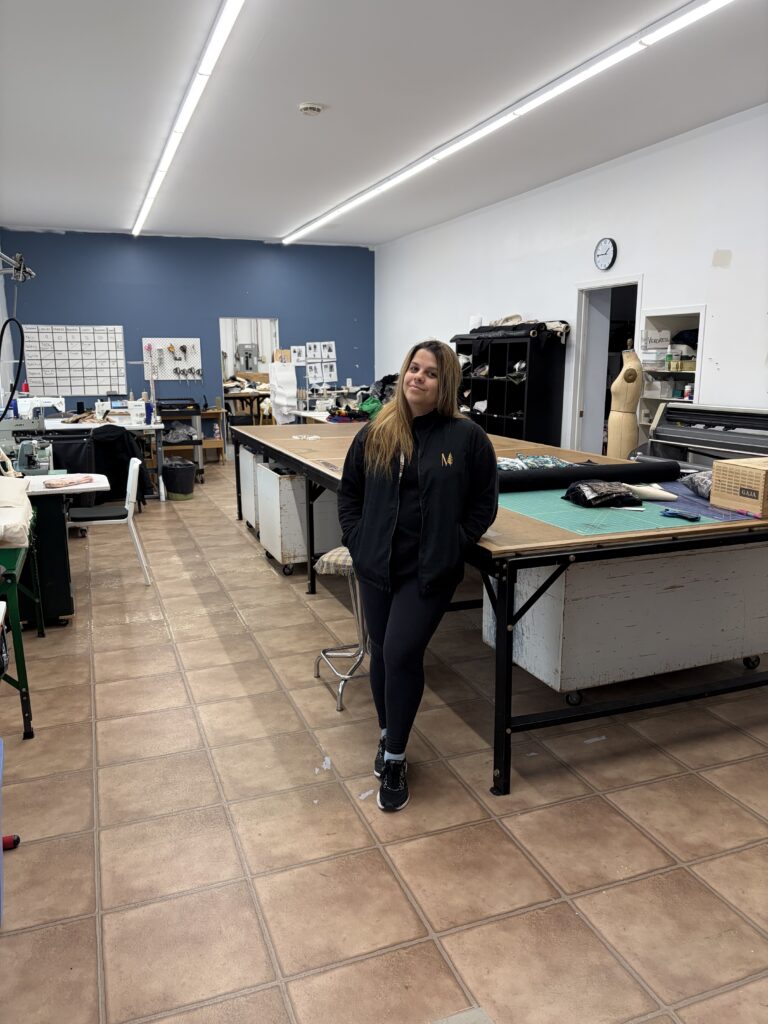
Finally, some businesses possess significant value in terms of heritage and culture. This is the case with Robertson Fourrures, which had been perpetuating an Innu tradition for over a century. By acquiring it, Valéry Larouche preserved this unique heritage with the ambition of transforming its workshop into an eco-museum open to the public.
Outside the communities
Nearly 47% of the Indigenous population in Quebec is under 35, compared to 40% among the Quebec general population[2]. This youthful demographic represents a significant asset for ensuring the sustainability of businesses, both in communities and in urban areas. On the one hand, there is a new generation seeking opportunities. On the other, there are Quebec entrepreneurs approaching retirement. This creates a context that is conducive to fruitful partnerships.
For Windy Landreville, from Kitigan Zibi, taking over the company where she already worked was a natural choice when the owner of Imprimak, located in Maniwaki, was planning his retirement. It was an ideal opportunity to become a business owner close to her community.
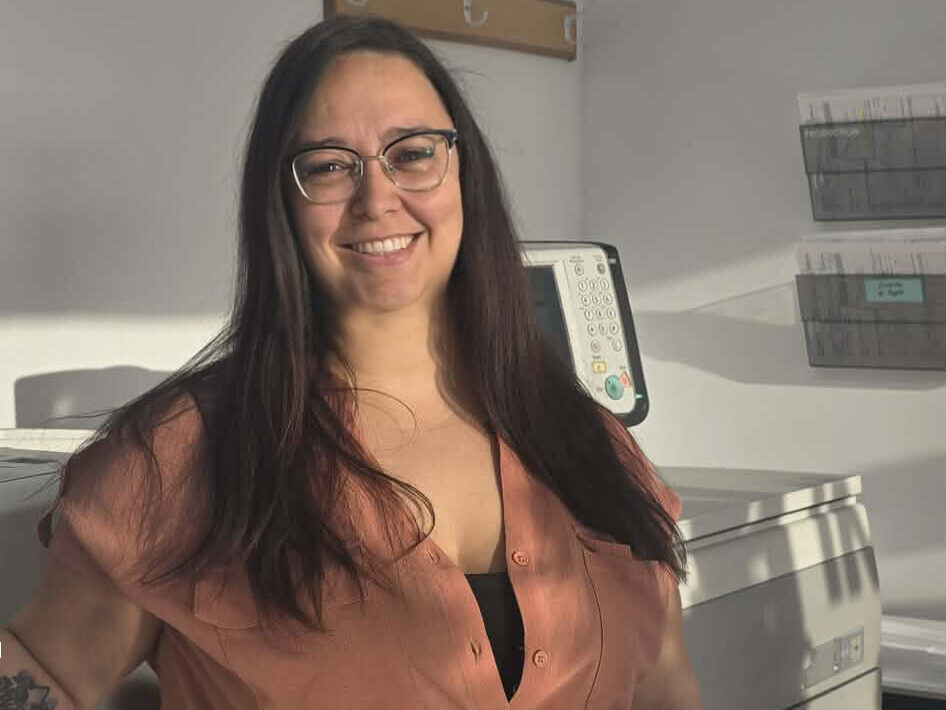
Many Indigenous people also choose urban areas to broaden their opportunities. Acquiring a business outside the community may also increase the benefits for the community, notably by facilitating access to employment or by supporting Indigenous suppliers. It is in this spirit that Maxim Drapeau Tourigny, from Wôlinak, acquired Distribution Lion in Terrebonne, where he now integrates Indigenous partners into his supply chain.
By fostering connections between Indigenous entrepreneurs, business transferors and non-Indigenous business networks, business succession makes a tangible contribution to economic reconciliation. When a Quebec company is acquired by an Indigenous entrepreneur, an opportunity arises to showcase First Nations cultures and values within the company. This is what Jason Picard-Binet and Josée Leblanc achieved by acquiring the Auclair & Martineau factory in Saint-Émile. As owners of Bastien Industries and Atikuss respectively, they are helping to maintain local production while increasing the visibility of Indigenous products.
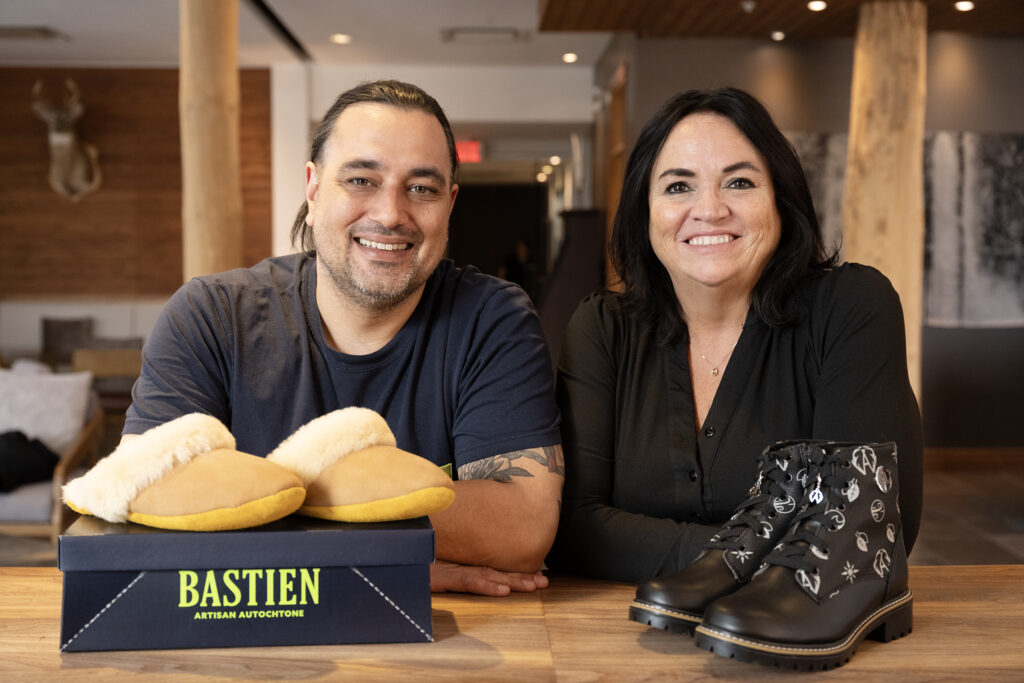
A challenge of cultural differences remains, however. Misunderstanding each other’s realities and issues during these partnerships can create barriers. This is already a challenge for two entrepreneurs from the same nation, so sensitivity is even more crucial between an Indigenous person and a non-Indigenous person. This is precisely why the presence of an advisor, such as those from the FNQLEDC, is so important to mediate between the parties or raise awareness of these cultural differences.
Conclusion
Indigenous business acquisition therefore contributes to resolving very real challenges such as the lack of succession in the context of an aging population. It opens up a wider pool of opportunities for Indigenous entrepreneurs, while ensuring continuity of services and transmission of knowledge within communities.
It actively contributes to reconciliation by building bridges between non-Indigenous and Indigenous people. These bridges allow us to appreciate the cultural and social differences that may have once kept us apart, thus enabling us to bring together and value our respective realities.
Do you have a business acquisition project, or would you like to explore this avenue? If so, the advisors at the FNQLEDC can support you at every stage. Don’t hesitate to contact them to bring your project to life.
[1] https://repreneuriat.quebec/communiques/intention-de-transfert-2025/ (French only)
[2] https://www12.statcan.gc.ca/census-recensement/2021/as-sa/fogs-spg/page.cfm?lang=F&topic=8&dguid=2021A000224